Hearing Products
Basic digital hearing aids generally require the wearer to make some manual adjustments in certain listening environments such as turning a volume control up or down, or pushing a button to change listening programs. In contrast, a premium or more advanced hearing aid responds automatically to changes in the listener’s environment, making changes based on the signals being detected by the hearing aid. The hearing aid wearer is not required to make any manual changes. As the level of the technology increases in hearing aids, so do the availability of advanced features.
Hearing Technology
Modern Solutions For All Types of Hearing Loss
Thanks to advances in technology, hearing products are designed to be more compatible with our lives than ever before. In addition to hearing aids, there are a number of products that make living and communicating with hearing loss easier to manage, so you never miss a beat.
There are four main sizes of batteries, each with a specific color-coded package: size 10 (yellow), size 312 (brown), size 13 (orange), and size 675 (blue). The battery size you need is typically based on the size and style of your hearing aid. Standard hearing aid batteries are zinc-air, which are activated when exposed to…
More on Hearing Aid BatteriesHearing aid technology continues to evolve every year. Today, there are plenty of options on the market; all with different features and benefits at varying price points. After your hearing evaluation, our providers will help match you to the best device for your hearing loss, lifestyle and budget.
More on Hearing Aid TechnologyHearing aids are available in many different sizes and styles thanks to advancements in digital technology and miniaturization of the internal components. Many of today's hearing aids are considered sleek, compact, and innovative - offering solutions to a wide range of hearing aid wearers.
More on Hearing Aid Styles
Hearing Product Guide
Curious About Hearing Technology, but Not Sure Where to Start?
With so many styles and options, it can be difficult to know which products will suit your needs. Our Consumer Guide to Hearing Aids provides an in-depth breakdown of the different types of hearing devices, as well as the technology available for all types of hearing loss.
Hearing Aid Manufacturers
Hearing Products Created by the Best in the Industry
When it comes to hearing loss, you need a device you can rely on to perform its best. That’s why we carry products from manufacturers with a proven track record of exceptional quality. No matter your budget, lifestyle or type of hearing loss, we have a product to meet your needs.

Oticon Hearing Products
Oticon was founded on a compassion for people — and a deep understanding of the role that hearing plays in living a richer and fuller life. People First is our promise to empower people to communicate freely, interact naturally and participate actively.
View All Products
Phonak Hearing Products
Phonak’s goal is to improve the quality of life of people with hearing loss. Phonak is the innovative force in hearing acoustics. With our creative solutions, we strive to overcome technological limitations – so that all people are able to hear, understand and fully enjoy life’s rich landscapes of sound.
View All Products
ReSound Hearing Products
ReSound provides excellent sound by offering innovative hearing solutions that combine original thinking and design with solid technology – all based on deep audiological insight and understanding of hearing aid users.
View All Products
Signia Hearing Products
Signia offers a broad range of hearing aids for every lifestyle and all configurations of hearing loss—including completely invisible, waterproof, and rechargeable hearing aids. Signia also has a complete line of wireless accessories that connect hearing aids wirelessly to mobile phones, TVs, MP3 players, and other audio devices.
View All Products
Starkey Hearing Aids
Starkey Hearing Technologies is much more than the hearing aids we produce. We are in the business of connecting people and changing lives. We believe being able to hear the world and the people around us is as essential to the human experience as breathing.
View All Products
Widex Hearing Aids
At Widex, we combine years of understanding with a natural curiosity in finding solutions to individual hearing loss. Our uncompromising approach to innovation has led to such advances as the world’s first fully digital in-the-ear hearing aid, as well as our own revolutionary wireless technology.
View All ProductsHearing Protection
Make Protection a Priority
Protecting your ears from noise damage is essential to healthy hearing. We carry a wide variety of options equipped with the latest features and customizations, so you can find the best fit for your lifestyle.
Noise damage is one of the leading causes of hearing loss, which is why hearing protection is essential for healthy hearing. While over-the-counter earplugs offer some protection, custom earmolds and earplugs are the most effective and comfortable options.
More on Earmolds and Ear PlugsNoise damage is one of the main causes of hearing loss, which is why we offer a wide range of hearing protection and accessories to help you protect your hearing. Whether you’re a musician, hunter, or are frequently exposed to loud noises - we have an earplug designed for your needs.
More on Musician, Noise & Swim Plugs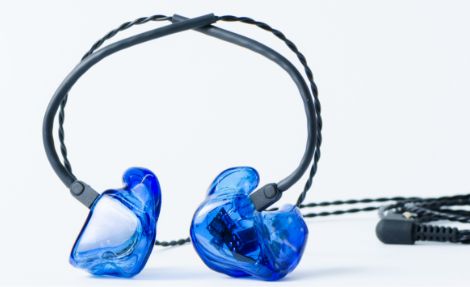
Assistive Listening Technology
Additional Tools to Support Clear Communication
You don’t have to rely on hearing aids alone; assistive listening technology and compatible devices can help bring more clarity to conversations and are another great way to foster healthy communication and connections.